
Symptoms of Thyroid Disorders in Men and Women
Introduction
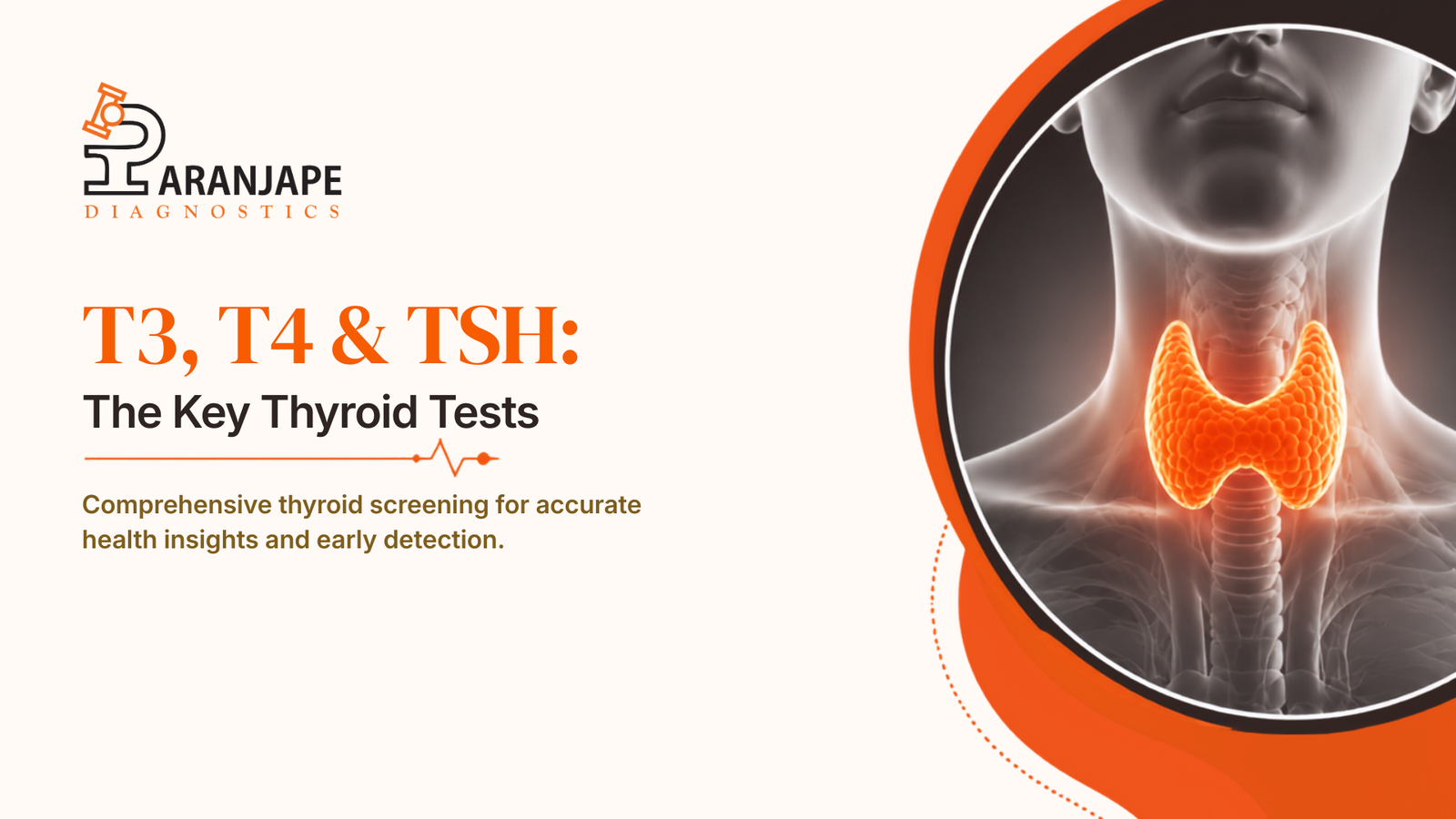
The thyroid gland is a small butterfly-shaped gland located at the base of the neck, but its role in maintaining overall health is enormous. It produces hormones that regulate metabolism, heart rate, body temperature, energy levels, and many other essential bodily functions. When the thyroid gland does not function properly, it can lead to thyroid disorders that affect nearly every part of the body.
Thyroid disorders are among the most common endocrine conditions worldwide. However, because their symptoms often develop gradually, many people fail to recognize the signs until the condition begins affecting their daily life. Understanding these symptoms can help with early diagnosis and timely treatment.
What Are Thyroid Disorders?
The two most common thyroid disorders are:
Hypothyroidism (Underactive Thyroid)
This occurs when the thyroid gland produces insufficient thyroid hormones, causing body functions to slow down.
Hyperthyroidism (Overactive Thyroid)
This occurs when the thyroid gland produces excessive thyroid hormones, causing body functions to speed up.
Common Symptoms of Hypothyroidism
Individuals with hypothyroidism may experience:
- Persistent fatigue and low energy
- Unexplained weight gain
- Increased sensitivity to cold
- Dry skin and brittle nails
- Hair thinning or hair loss
- Constipation
- Puffy face
- Depression or low mood
- Memory problems and difficulty concentrating
- Slow heart rate
Since these symptoms often develop slowly, they may be mistaken for stress, aging, or lifestyle-related issues.
Common Symptoms of Hyperthyroidism
An overactive thyroid can cause:
- Unexplained weight loss
- Rapid or irregular heartbeat
- Excessive sweating
- Anxiety and nervousness
- Tremors in the hands
- Difficulty sleeping
- Increased sensitivity to heat
- Frequent bowel movements
- Muscle weakness
- Irritability and mood swings
Without treatment, hyperthyroidism can increase the risk of heart-related complications and bone loss.
Symptoms of Thyroid Disorders in Women
Women are significantly more likely to develop thyroid disorders than men.
Menstrual Irregularities
Changes in thyroid hormone levels can affect menstrual cycles, causing heavier, lighter, irregular, or missed periods.
Fertility Challenges
Untreated thyroid disorders can interfere with ovulation and reproductive health.
Pregnancy Complications
Thyroid dysfunction during pregnancy may increase the risk of complications for both mother and baby.
Emotional and Mental Health Changes
Women may experience anxiety, depression, mood swings, and difficulty managing stress.
Symptoms of Thyroid Disorders in Men
Although thyroid disorders are less common in men, they can still significantly impact health.
Fatigue and Reduced Stamina
Men often notice persistent tiredness and decreased physical performance.
Weight Changes
Unexpected weight gain or loss may occur without changes in diet or exercise.
Reduced Muscle Strength
Muscle weakness and reduced exercise tolerance are common symptoms.
Sexual Health Issues
Thyroid imbalance can affect libido, fertility, and overall well-being.
When Should You Get Tested?
You should consider thyroid testing if you experience:
- Persistent fatigue
- Sudden weight changes
- Excessive hair loss
- Mood disturbances
- Irregular heartbeat
- Menstrual irregularities
- Swelling in the neck
Early diagnosis can help prevent complications and ensure timely treatment. At Paranjape Diagnosis Centre, advanced thyroid function tests such as T3, T4, and TSH testing are available to accurately assess thyroid health and help doctors make informed treatment decisions.
Conclusion
Thyroid disorders can affect both men and women in different ways, but early recognition of symptoms is key to effective treatment. If you notice persistent changes in your energy levels, weight, mood, or overall health, consult your healthcare provider and consider thyroid function testing.
Schedule Full Body Checkup in Pune..
People Also Ask
Get answers to the questions patients ask most often and learn more about symptoms, diagnosis, treatment, recovery, and ways to maintain better health.
Common symptoms of thyroid disorders include persistent fatigue, unexplained weight gain or weight loss, hair loss, dry skin, mood changes, irregular heartbeat, sensitivity to cold or heat, and difficulty concentrating. Symptoms vary depending on whether the thyroid is underactive (hypothyroidism) or overactive (hyperthyroidism).
Women are more likely to experience menstrual irregularities, fertility issues, pregnancy-related complications, and mood changes. Men may experience fatigue, reduced muscle strength, weight changes, decreased stamina, and sexual health concerns. Both men and women can develop hypothyroidism or hyperthyroidism.
Thyroid disorders are diagnosed using thyroid function tests, including TSH (Thyroid-Stimulating Hormone), T3 (Triiodothyronine), and T4 (Thyroxine) blood tests. These tests help determine whether the thyroid gland is functioning normally, underactive, or overactive.
You should consider thyroid testing if you experience persistent fatigue, unexplained weight changes, excessive hair loss, irregular menstrual cycles, mood swings, neck swelling, heart palpitations, or a family history of thyroid disease. Early testing can help detect thyroid problems before complications develop.
Yes. Most thyroid disorders can be effectively managed with appropriate medication, regular thyroid function tests, a healthy lifestyle, and routine medical follow-up. Early diagnosis and consistent treatment help control symptoms and reduce the risk of long-term complications.