
How Thyroid Problems Affect Daily Life
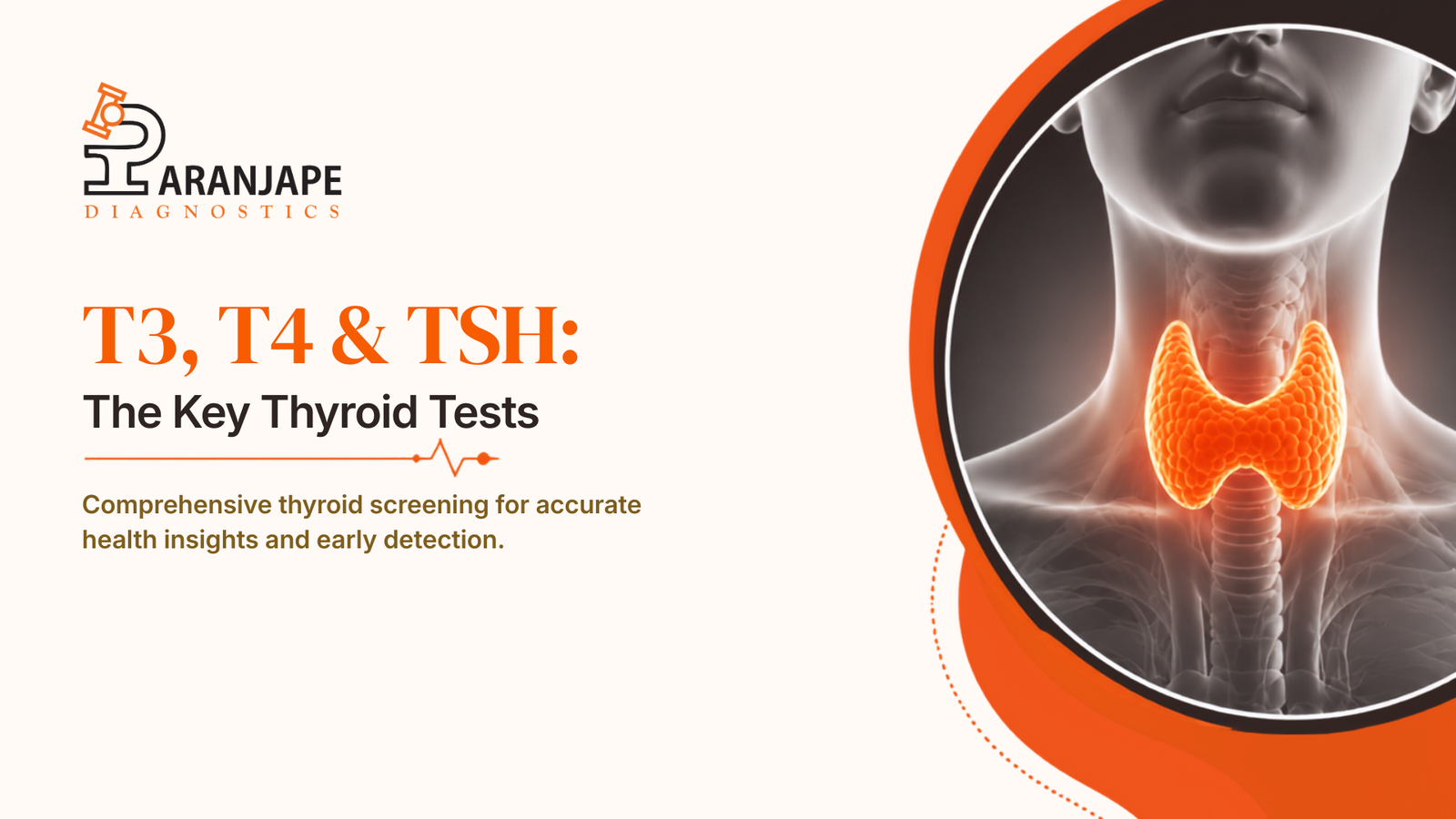
The thyroid is a small, butterfly-shaped gland located at the front of your neck, but it has a big impact on your overall health. It produces hormones that regulate your body’s metabolism, energy levels, heart rate, body temperature, and many other essential functions. When the thyroid doesn’t produce the right amount of hormones, it can affect almost every aspect of your daily life.
Many people ignore the early signs of thyroid disorders, mistaking them for stress, aging, or a busy lifestyle. However, untreated thyroid problems can significantly reduce your quality of life. Understanding the symptoms and seeking timely medical advice can help you manage the condition effectively.
What Are Thyroid Problems?
There are two common types of thyroid disorders:
1. Hypothyroidism (Underactive Thyroid)
This occurs when the thyroid gland does not produce enough hormones. As a result, the body’s processes slow down.
2. Hyperthyroidism (Overactive Thyroid)
This occurs when the thyroid produces excessive hormones, causing the body’s functions to speed up.
Both conditions require proper diagnosis and treatment to prevent long-term health complications.
How Thyroid Problems Affect Your Daily Life
1. Constant Fatigue and Low Energy
One of the most common symptoms of thyroid disorders is feeling tired all the time.
People with hypothyroidism may struggle to get through the day despite getting enough sleep. Simple daily tasks such as climbing stairs, working, or household chores can feel exhausting.
In contrast, people with hyperthyroidism may feel physically drained because their body is working overtime.
2. Difficulty Managing Weight
Unexpected weight changes are often linked to thyroid disorders.
- Hypothyroidism may lead to weight gain due to a slower metabolism.
- Hyperthyroidism may cause sudden weight loss even if your eating habits remain the same.
Maintaining a healthy weight becomes difficult until thyroid hormone levels are properly controlled.
3. Mood Changes and Mental Health
Thyroid hormones also influence brain function.
People with thyroid disorders may experience:
- Depression
- Anxiety
- Mood swings
- Irritability
- Lack of motivation
These emotional changes can affect relationships, work performance, and overall well-being.
4. Poor Concentration and Memory Problems
Many people with thyroid problems complain about “brain fog.”
Symptoms include:
- Difficulty concentrating
- Forgetfulness
- Slow thinking
- Reduced productivity
These issues can impact students, working professionals, and older adults alike.
5. Sleep Disturbances
Thyroid imbalance can interfere with healthy sleep.
- Hypothyroidism may cause excessive sleepiness during the day.
- Hyperthyroidism may lead to insomnia, restlessness, and difficulty falling asleep.
Poor sleep further worsens fatigue and affects daily performance.
6. Hair, Skin, and Nail Changes
Thyroid disorders often affect your appearance.
Common symptoms include:
- Hair thinning or hair loss
- Dry, rough skin
- Brittle nails
- Puffy face
- Swelling around the eyes
These changes usually improve with proper treatment.
7. Temperature Sensitivity
Your thyroid helps regulate body temperature.
People with hypothyroidism often feel cold even in warm weather, while those with hyperthyroidism may sweat excessively and feel unusually hot.
8. Heart Health
Thyroid hormones directly affect your heart.
An overactive thyroid can cause:
- Rapid heartbeat
- Heart palpitations
- High blood pressure
An underactive thyroid may slow the heart rate and increase cholesterol levels, raising the risk of cardiovascular disease if left untreated.
9. Digestive Problems
Thyroid disorders can also affect digestion.
- Hypothyroidism may cause constipation.
- Hyperthyroidism may lead to frequent bowel movements or diarrhea.
Digestive symptoms are often overlooked but can be an important clue.
10. Women’s Reproductive Health
Women are more likely than men to develop thyroid disorders.
Thyroid imbalance can contribute to:
- Irregular menstrual cycles
- Heavy or light periods
- Difficulty conceiving
- Pregnancy complications
- Increased risk of miscarriage if untreated
Proper thyroid management is essential before and during pregnancy.
When Should You Get Your Thyroid Checked?
Consult your healthcare provider if you experience:
- Persistent fatigue
- Sudden weight gain or loss
- Hair loss
- Mood changes
- Anxiety or depression
- Difficulty concentrating
- Neck swelling
- Irregular heartbeat
- Menstrual irregularities
A simple blood test measuring TSH, T3, and T4 levels can help diagnose most thyroid conditions.
Can Thyroid Problems Be Managed?
Yes. Most thyroid disorders can be effectively managed with:
- Regular thyroid function tests
- Prescribed medications
- A balanced, nutrient-rich diet
- Regular physical activity
- Stress management
- Routine follow-up with your healthcare provider
With proper treatment, many people lead healthy, active, and productive lives.
Final Thoughts
Thyroid disorders may develop gradually, but their effects can be felt throughout your daily life—from your energy levels and mood to your heart health, weight, and overall well-being. Ignoring persistent symptoms can lead to complications, while early diagnosis and appropriate treatment can make a significant difference.
If you’ve been experiencing unexplained fatigue, weight changes, mood swings, or other ongoing symptoms, don’t ignore them. A simple thyroid evaluation can help identify the cause and allow you to begin the right treatment, helping you regain your health and improve your quality of life.
Schedule Full Body Checkup in Pune..
People Also Ask
Get answers to the questions patients ask most often and learn more about symptoms, diagnosis, treatment, recovery, and ways to maintain better health.
Early signs of thyroid disorders may include persistent fatigue, unexplained weight gain or weight loss, hair thinning, dry skin, mood changes, difficulty concentrating, changes in heart rate, and increased sensitivity to cold or heat. If these symptoms persist, consult a healthcare provider for evaluation.
Thyroid disorders are usually diagnosed through a physical examination and blood tests that measure Thyroid-Stimulating Hormone (TSH), T3 (Triiodothyronine), and T4 (Thyroxine) levels. In some cases, your doctor may also recommend a thyroid ultrasound or additional imaging tests.
Yes. Most thyroid disorders can be effectively managed with medications, regular thyroid function tests, a healthy lifestyle, and routine follow-up with your doctor. Early diagnosis and proper treatment help prevent complications and improve quality of life.
Women, especially those over the age of 35, people with a family history of thyroid disease, individuals with autoimmune conditions, pregnant women, and older adults have a higher risk of developing thyroid disorders. Regular screening may be recommended for high-risk individuals.
You should consult a doctor if you experience ongoing fatigue, unexplained weight changes, hair loss, mood swings, neck swelling, irregular heartbeat, menstrual irregularities, or difficulty concentrating. Early medical evaluation can help diagnose thyroid disorders before they lead to serious health complications.