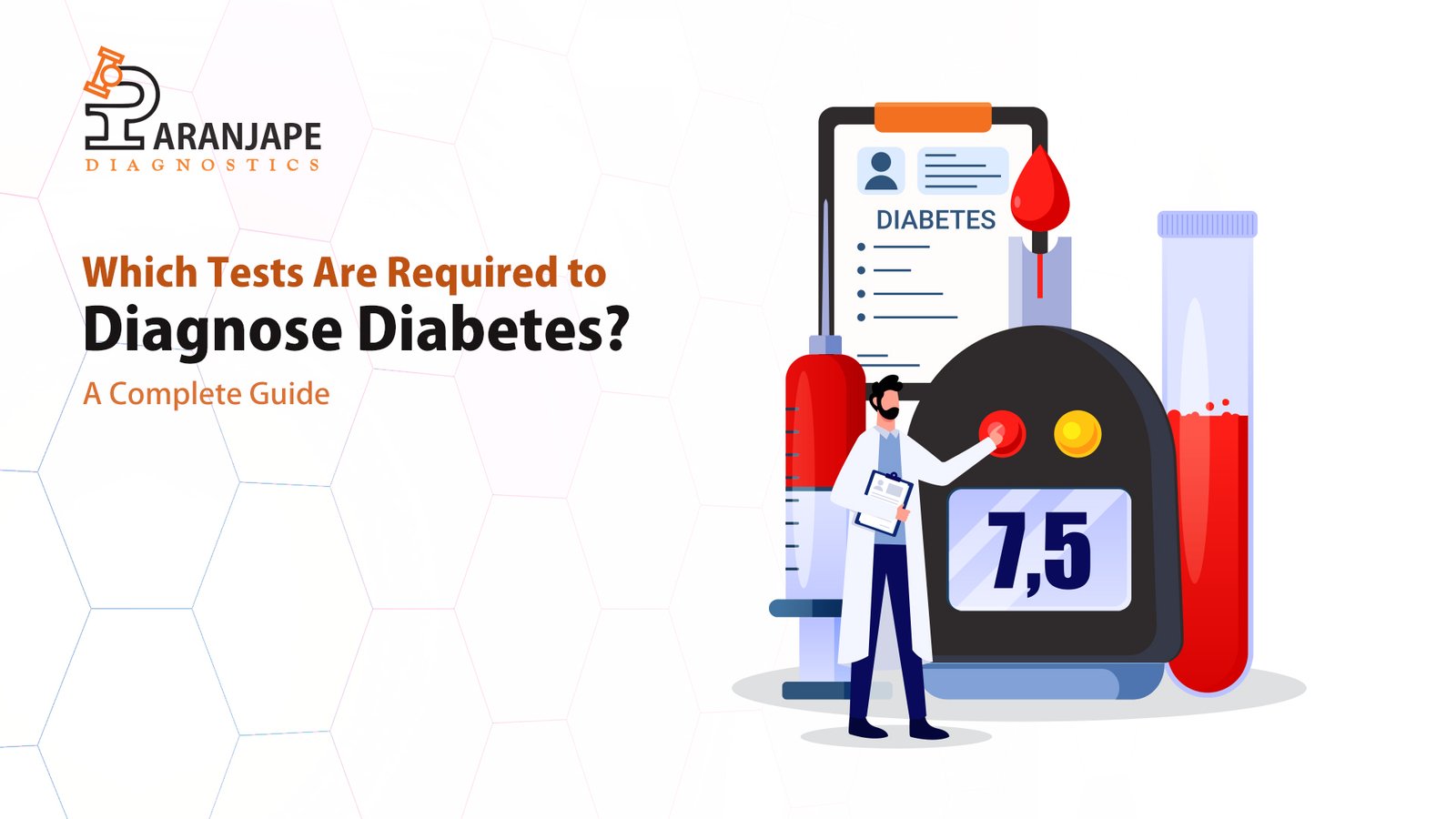
Which Tests Are Required to Diagnose Diabetes? A Complete Guide
Diabetes is becoming increasingly common due to modern lifestyle habits, stress, and dietary changes.
The good news? Early diagnosis through simple tests can help you manage it effectively and avoid complications.
Early detection = Better control + Fewer complications
At Paranjape Diagnostics, we focus on accurate testing and timely diagnosis to help you take control of your health.
What is Diabetes?
Diabetes is a condition where the body is unable to properly regulate blood sugar (glucose) levels.
✔ Affects insulin production or usage
✔ Leads to high blood sugar levels
✔ Can damage organs like the heart, kidneys, nerves, and eyes
If left untreated, it may lead to serious long-term health issues.
Common Symptoms of Diabetes
Recognizing early symptoms can help prevent complications. If you notice any of these signs, it’s important to get tested:
✔ Frequent urination
✔ Increased thirst
✔ Sudden weight loss
✔ Constant fatigue
✔ Blurred vision
✔ Slow wound healing
Don’t ignore these signs—early testing can make a big difference.
Important Tests to Diagnose Diabetes
Fasting Blood Sugar Test (FBS)
Measures blood sugar after fasting for 8–10 hours.
✔ Normal: Less than 100 mg/dL
✔ Prediabetes: 100–125 mg/dL
✔ Diabetes: 126 mg/dL or higher
Postprandial Blood Sugar Test (PPBS)
Done 2 hours after eating to check how your body processes sugar.
✔ Normal: Less than 140 mg/dL
✔ Diabetes: 200 mg/dL or higher
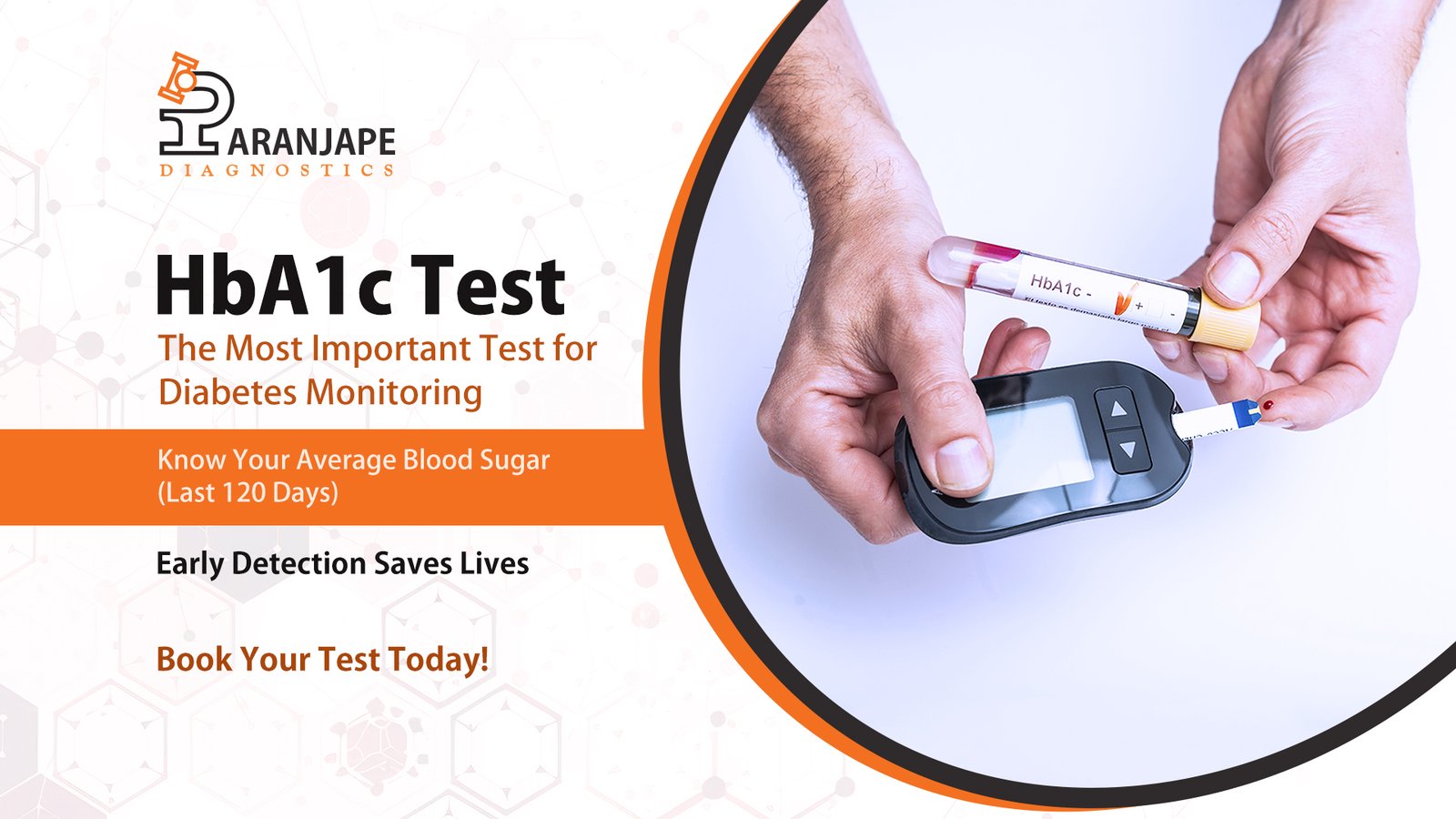
HbA1c Test (Glycated Hemoglobin)
Shows your average blood sugar levels over the past 2–3 months. No fasting required.
✔ Normal: Below 5.7%
✔ Prediabetes: 5.7% – 6.4%
✔ Diabetes: 6.5% or higher
One of the most reliable tests for long-term monitoring.
Random Blood Sugar Test (RBS)
Can be done anytime during the day.
✔ 200 mg/dL or higher indicates diabetes
Oral Glucose Tolerance Test (OGTT)
Checks how your body handles glucose over time. Commonly used during pregnancy.
✔ Normal: Less than 140 mg/dL
✔ Prediabetes: 140–199 mg/dL
✔ Diabetes: 200 mg/dL or higher
Also Read: Why Every Adult Should Get a Full Body Health Checkup Regularly
Why Early Diagnosis is Important
Early detection helps prevent serious complications and ensures better long-term health.
✔ Prevent organ damage
✔ Reduce risk of complications
✔ Improve quality of life
✔ Enable timely treatment
The sooner you detect diabetes, the easier it is to manage.
When Should You Get Tested?
You should consider regular testing if you have:
✔ Family history of diabetes
✔ Overweight or obesity
✔ Sedentary lifestyle
✔ Age above 35 years
✔ High blood pressure
Book Your Diabetes Test
Don’t wait for symptoms to worsen. Early testing is the key to a healthier life.
Get tested at Paranjape Diagnostics
✔ Accurate and reliable reports
✔ Advanced diagnostic facilities
✔ Quick and convenient testing
| Visit Paranjape Diagnostics Center
Conclusion
Diagnosing diabetes is simple with the right tests. Regular screening helps you stay one step ahead of potential health risks.
✔ Early detection saves lives
✔ Simple tests can prevent complications
A small step today can protect your future health.
Schedule Full Body Checkup in Pune..
People Also Ask
Get answers to the questions patients ask most often and learn more about symptoms, diagnosis, treatment, recovery, and ways to maintain better health.
Diabetes is commonly diagnosed using the Fasting Blood Sugar (FBS) test, Postprandial Blood Sugar (PPBS) test, HbA1c (Glycated Hemoglobin) test, Random Blood Sugar (RBS) test, and the Oral Glucose Tolerance Test (OGTT). Your doctor may recommend one or more of these tests based on your symptoms and medical history.
The HbA1c test measures your average blood sugar levels over the past two to three months. It does not require fasting and is one of the most reliable tests for diagnosing diabetes, identifying prediabetes, and monitoring long-term blood sugar control.
Regular diabetes screening is recommended for people over the age of 35, those who are overweight or obese, have a family history of diabetes, high blood pressure, a sedentary lifestyle, or symptoms such as excessive thirst, frequent urination, unexplained weight loss, or persistent fatigue.
Early diagnosis allows timely treatment and lifestyle changes that can help control blood sugar levels, prevent complications affecting the heart, kidneys, eyes, and nerves, and improve overall quality of life.
It depends on the test. The Fasting Blood Sugar (FBS) test requires fasting for 8–10 hours, while the HbA1c and Random Blood Sugar (RBS) tests do not require fasting. Your healthcare provider or diagnostic center will advise you on any preparation needed before your test.