HbA1c Test: The Most Important Test for Diabetes Monitoring
Diabetes is one of the most common lifestyle diseases today, and managing it effectively requires more than just occasional blood sugar checks. While daily glucose tests provide momentary readings, they do not reflect long-term control.
This is where the HbA1c test plays a crucial role. It is considered one of the most reliable and essential tests for diagnosing and monitoring diabetes, helping both patients and doctors make informed decisions about treatment and lifestyle changes.
What is the HbA1c Test?
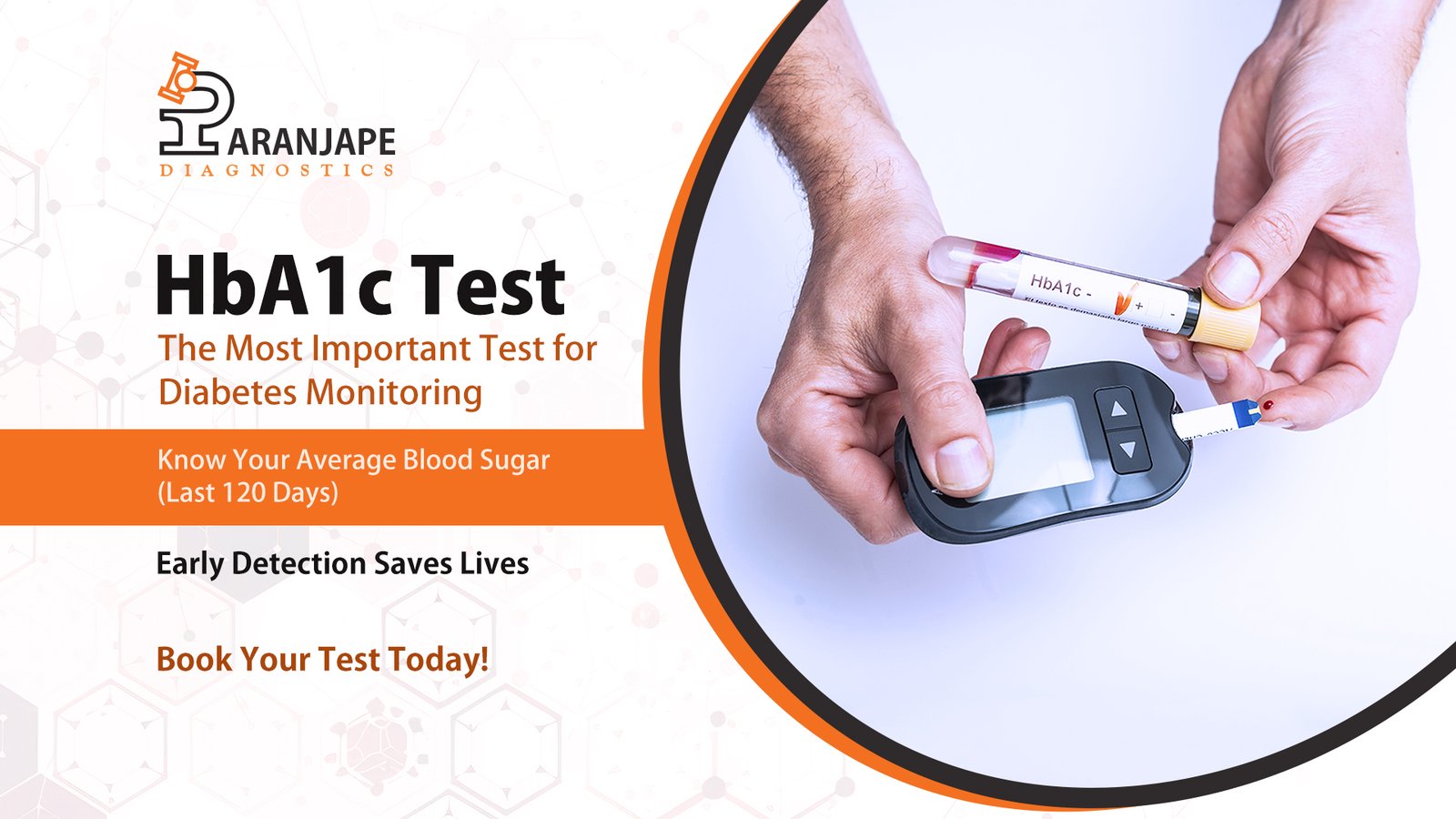
The HbA1c test, also known as the Glycated Hemoglobin test, measures the percentage of sugar attached to hemoglobin in your blood. Since red blood cells have a lifespan of 120 days, this test provides an average of your blood sugar levels over that period.
Unlike fasting or random blood sugar tests, the HbA1c test offers a broader and more accurate picture of how well your diabetes is being managed over time.
Why is the HbA1c Test Important?
The HbA1c test is a key tool in diabetes care for several reasons:
- Long-term monitoring: It reflects average blood glucose levels over the past 2–3 months.
- Early diagnosis: Helps detect prediabetes and diabetes at an early stage.
- Treatment evaluation: Assists doctors in adjusting medications and lifestyle recommendations.
- Risk reduction: Helps prevent complications by ensuring better sugar control.
Regular monitoring through HbA1c enables timely intervention and better health outcomes.
Understanding HbA1c Levels
| HbA1c Level | Interpretation |
|---|---|
| Below 5.7% | Normal |
| 5.7% – 6.4% | Prediabetes |
| 6.5% and above | Diabetes |
For individuals diagnosed with diabetes, doctors generally recommend maintaining HbA1c levels below 7%, although this target may vary depending on age, health condition, and medical advice.
How Often Should You Take the HbA1c Test?
The frequency of testing depends on your condition:
- Every 3 months: If blood sugar levels are not well controlled or treatment has changed
- Every 6 months: If diabetes is stable and well managed
- As advised by your doctor: Based on individual health needs
Risks of Poor Diabetes Control
Ignoring HbA1c levels or failing to monitor them regularly can lead to serious health complications, including:
- Heart disease
- Kidney damage
- Nerve damage (neuropathy)
- Eye problems and vision loss
- Increased risk of stroke
These complications often develop gradually and may not show early symptoms, making regular testing essential.
Benefits of Regular HbA1c Monitoring
Consistent HbA1c testing provides several advantages:
- Better understanding of overall blood sugar trends
- Improved treatment outcomes
- Reduced risk of long-term complications
- Greater control over lifestyle and dietary choices
It empowers individuals to take proactive steps toward better health.
Why Choose Paranjape Diagnostics?
At Paranjape Diagnostics, we are committed to delivering accurate and reliable diagnostic services to support your health journey.
- Advanced testing facilities
- Accurate and timely reports
- Affordable pricing
- Home sample collection available
- Experienced and professional staff
📍 Located in Karve nagar, Pune
📞 Book your HbA1c test today for reliable and convenient service
Read Our Previous Blogs
Explore more health insights from our blog section:
- Which Tests Are Required to Diagnose Diabetes? A Complete Guide
- Why Regular Diabetes Testing is Important (Even If You Feel Healthy)
Conclusion
The HbA1c test is more than just a routine blood test it is a powerful indicator of your long-term blood sugar control. Regular monitoring not only helps in managing diabetes effectively but also plays a vital role in preventing serious health complications.
Taking control of your health starts with awareness and timely testing. Make the HbA1c test a regular part of your healthcare routine and stay one step ahead of diabetes.